Design for your worst week, not your best
Most training plans are written for the week you hope to have. The plan that works is written for the week you'll actually have when a deadline lands, a child is ill and you sleep badly for three nights.
In practice that means a small number of protected sessions, sessions short enough to be defensible, and a structure where a missed session doesn't unravel the week.
What we'd do with three hours a week
Three sessions of 50 minutes. Full-body, compound-led, two to three main lifts progressed by load, then targeted accessory work for the areas you care about most. Conditioning attached to the end of sessions or built into daily walking rather than added as separate sessions you won't do.
Nutrition is handled with defaults rather than decisions: a repeatable breakfast and lunch, a protein target, and flexibility left for evenings out — the part of the week most plans ignore and most people actually live in.
Where coaching changes the outcome
The value isn't the exercise list. It's having someone adjust the plan as your workload shifts, so the programme keeps progressing through a busy quarter instead of stopping and starting.
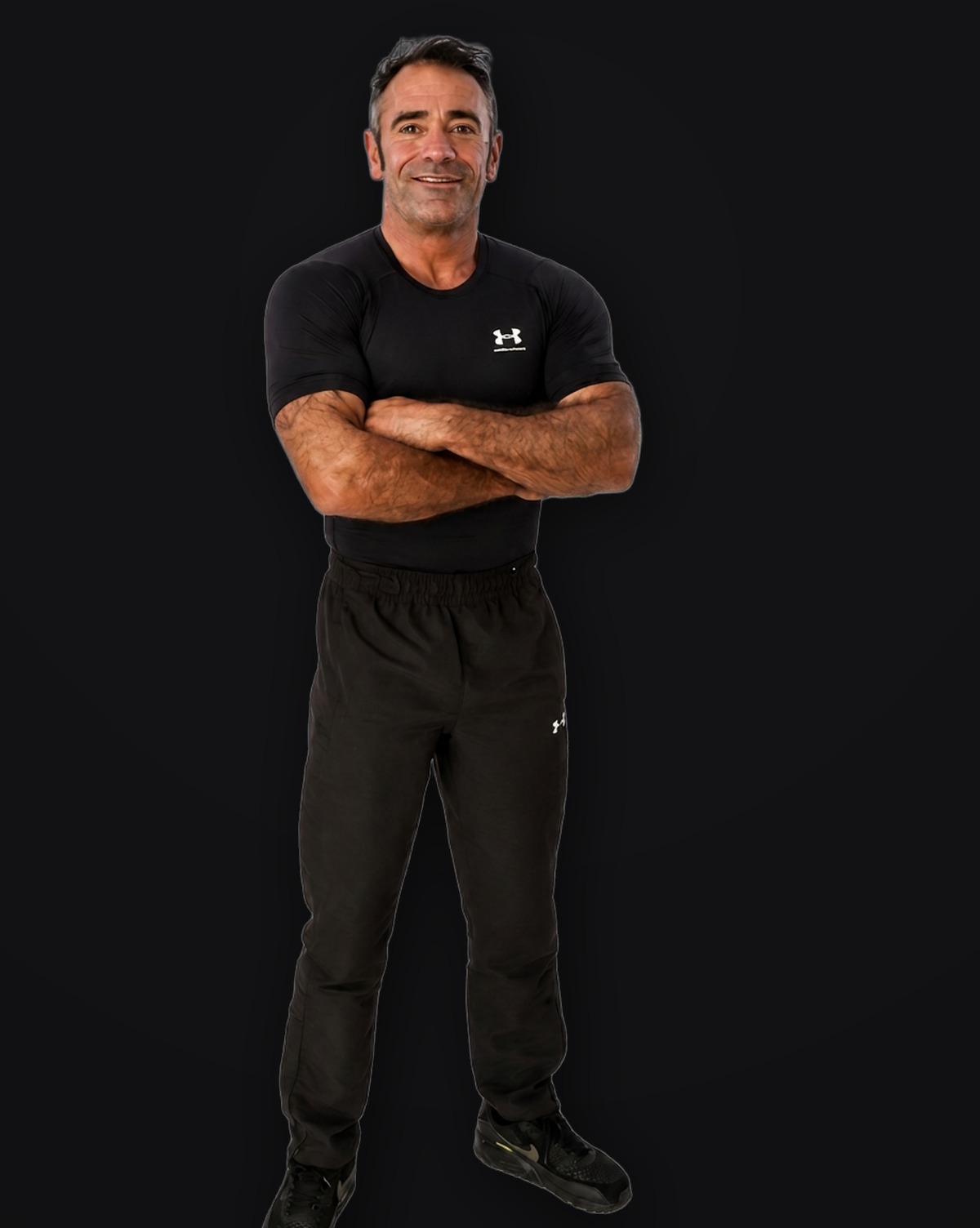
Written by
Wolverine PT
Coaching adults who want to build muscle, get stronger and stay capable while balancing work, family and normal life.